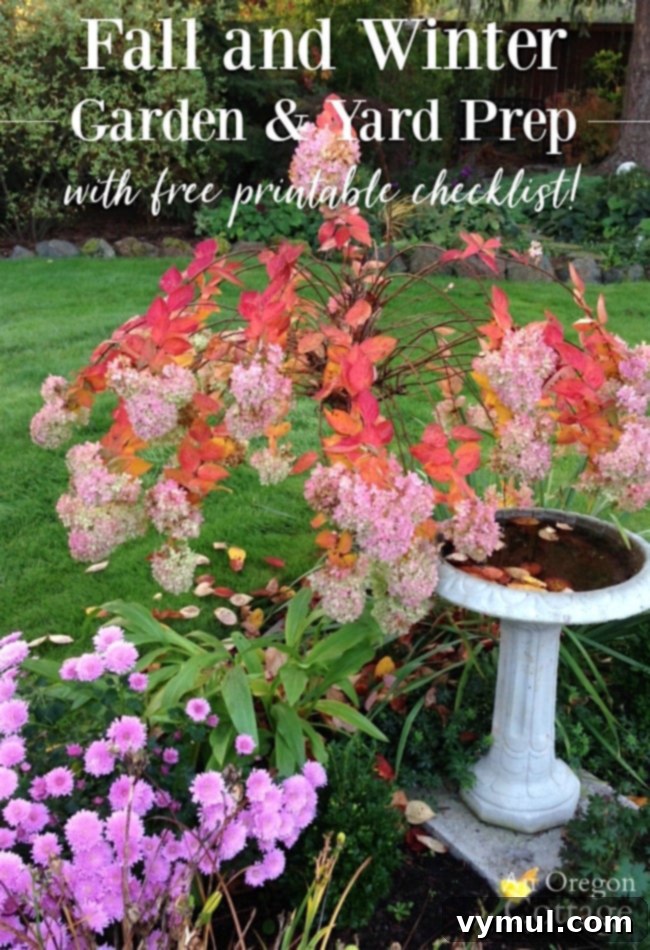
Ultimate Guide to Fall and Winter Garden Preparation: Ensure Your Yard Thrives
As the vibrant hues of summer gradually fade, giving way to the crisp air and changing colors of fall, our gardens enter a new phase. This transition period, stretching through the colder winter months, offers a unique opportunity to lay the groundwork for a spectacular spring. While the thought of more garden chores after a long growing season might feel daunting, a few strategic tasks now can make a profound difference. This comprehensive guide will help your fall and winter garden not just survive, but truly thrive, ensuring a more beautiful and productive landscape when spring arrives.

The shift from the warmth of summer to the cooler embrace of autumn signals a natural winding down for your garden. For many of us who cherish the beauty and bounty of our outdoor spaces – whether it’s the vibrant flowers, fresh produce, or simply the serene aesthetic – the end of the active growing season often brings a sense of delightful exhaustion. You might still be harvesting a late bounty, busy with preserving the fruits of your labor, or perhaps you’re already dreaming of cozy indoor activities and decorating your home with pumpkins. And that’s perfectly understandable; we all feel the pull of changing seasons in different ways.
However, it’s during this crucial transition that even a small investment of time and effort in your garden can yield significant rewards. Taking proactive steps now will not only help your plants withstand the rigors of winter but will also dramatically reduce your workload when spring awakens. Imagine stepping into a garden next spring with fewer weeds, minimal debris to clear, and robust plants that have gracefully weathered the snow and freezing temperatures. These preparatory tasks are the secret to ensuring your property looks its best year-round and offers a less demanding start to the next growing cycle.
Below, you’ll find a detailed list of essential chores tailored for your vegetable beds, flower beds, and lawn, covering the period from fall through December. You don’t need to tackle every single item on this list, as some may not apply to your specific gardening setup (for instance, if you don’t grow food or maintain a lawn). Nevertheless, know that each task you complete contributes significantly to the health and aesthetics of your garden, ensuring it remains beautiful and resilient.
To help you organize and prioritize, here’s a handy printable checklist of these tasks, broken down by month:
EXPERT TIP: Print out the checklist and highlight only the tasks that resonate with your garden and will provide the most impact. For me, consistently managing weeds and applying fresh mulch in both flower and vegetable beds are top priorities, along with some strategic deadheading and general cleanup. Remember, less can be more, especially when it comes to cleanup – discover why below!
Essential Fall and Winter Garden & Yard Tasks for a Thriving Landscape

Preparing Your Flower Beds for Winter
Strategic Cleanup: More Than Just Aesthetics. When it comes to your flower beds, the primary tasks revolve around deadheading and general cleanup, but with an important caveat: don’t overdo it. There are two compelling reasons why a minimalist approach to fall cleanup is often best:
- Natural Insulation and Protection: Leaving spent flower heads and stalks on your plants can provide crucial natural insulation, helping them survive harsh winter conditions. This is particularly beneficial in regions experiencing regular freezing temperatures or intermittent snow, which can lead to damaging freeze-thaw cycles. The remaining plant material acts as a protective barrier, shielding the plant’s crown from extreme cold. Aim to remove only what is truly necessary or unsightly, allowing the rest to serve its purpose.
- Wildlife Support: The dried flower heads, once they’ve gone to seed, become a vital food source for birds and other small wildlife throughout the lean winter months. Your garden can become a small sanctuary, offering sustenance when other natural food sources are scarce.
My approach typically focuses on removing dead leaves that have fallen to the ground, pruning any flowers or stems that are clearly bent, broken, or diseased, and generally tidying up areas that just “look better” with a little attention. If you’ve been diligent with your summer maintenance, you might find you have very little of this to do, which is fantastic!
As you perform this minimal cleanup, seize the opportunity to pull any lingering weeds. Weeds, if left unchecked, can overwinter and become a much larger problem in the spring. Following weeding, it’s an excellent time to refresh your mulch or apply it if you haven’t done so recently. A fresh layer of mulch – whether it’s garden compost, wood chips, pine needles, or even shredded leaves – offers numerous benefits. It helps suppress winter weeds, retains soil moisture, and insulates plant roots from extreme temperature fluctuations. If using leaves, be sure to chop them first by running a mower over them. Whole leaves can mat together, suffocating tender plants as they attempt to emerge in spring.
Planting Fall Bulbs for Spring Spectacle. Autumn is the ideal season for planting spring-flowering bulbs like crocus, daffodils, and tulips. These bulbs require a period of cold dormancy to trigger their blooming cycle. Plan their placement carefully, considering their mature height and bloom time, to create a layered spring display. Ensure you plant them at the correct depth and spacing, typically two to three times their height deep, in well-draining soil. For tender bulbs such as dahlias or gladiolas, you have two options: either carefully dig them up after the first frost, clean them, and store them in a cool, dry, dark place over winter to ensure their survival, or, if you prefer a less labor-intensive approach, treat them as annuals and enjoy the delightful surprise if they manage to overwinter naturally.
Dividing and Pruning Perennials. Fall can also be a prime time for dividing certain perennials like daylilies and hostas. Dividing crowded plants rejuvenates them, promotes healthier growth, and provides you with new plants to spread around your garden or share with friends. After digging up the clump, gently separate it into smaller sections, ensuring each division has roots and shoots, then replant immediately. Additionally, light pruning of evergreens can be done in the fall to maintain their shape, though heavy pruning is best reserved for late winter or early spring to avoid stimulating new growth that could be damaged by frost.
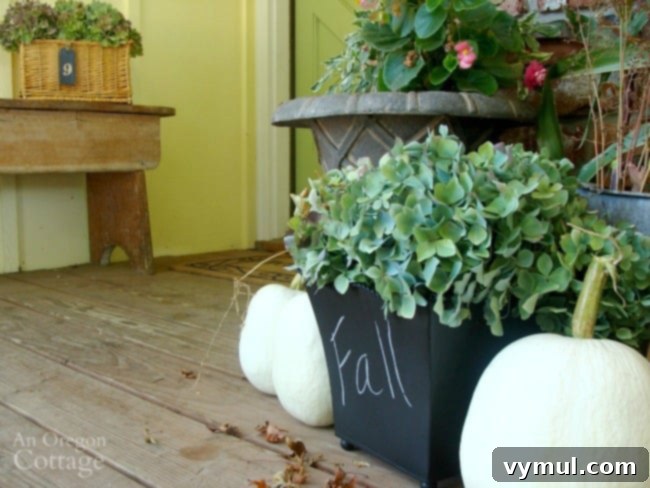
Refreshing Container Gardens. Many of your summer container plantings might be looking past their prime by fall. Now is a wonderful time to refresh them. Remove spent summer annuals, clean the containers thoroughly, and store any empty ones to protect them from winter damage. Then, replant with a vibrant assortment of fall-hardy plants such as colorful mums, cheerful pansies, ornamental kale, delicate cyclamen, or trailing heuchera. Depending on your local climate, you may also be able to deadhead and revive some resilient summer plants (like the begonia shown above) to extend their beauty and integrate them into your autumn decor, creating stunning displays that bridge the seasons.
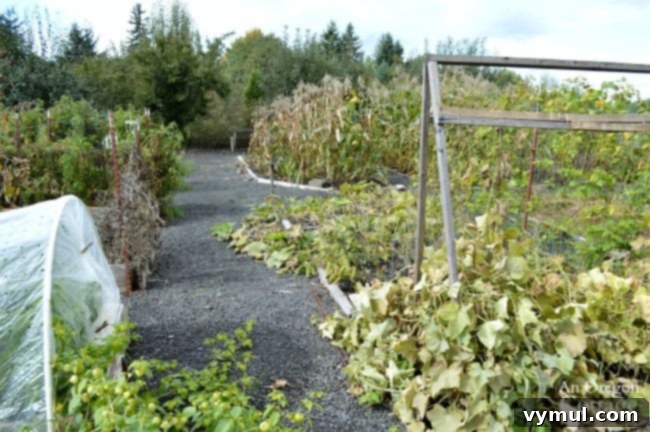
Winterizing Your Vegetable Garden
Thorough Cleaning and Smart Composting. As the harvest season winds down in your vegetable beds, a diligent cleanup becomes paramount. Continuously remove all spent plant material and garden debris as it dies back. This crucial step helps prevent pests and diseases from overwintering and re-emerging next spring. Any healthy plant material can be added to your compost pile, enriching it for future use. However, it’s vital to identify and isolate plants showing signs of disease or heavy pest infestation. These materials should be burned or disposed of in municipal waste, never composted, to prevent the spread of pathogens and insects to subsequent growing seasons. This is also an excellent time to consider next year’s crop rotation plan, which further aids in disease prevention and soil health.
Preserving Your Heritage: Saving Seeds. As you clear out your vegetable plants, take the opportunity to save seeds from your favorite heirloom varieties. Seed saving not only saves money but also allows you to cultivate unique plants and preserve genetic diversity. Carefully select seeds from the healthiest, most vigorous plants that produced the best yield. Remember, only save seeds from open-pollinated or heirloom varieties, as hybrid seeds often don’t “breed true” and may not produce the same plant characteristics in the next generation. After harvesting, ensure the seeds are thoroughly cleaned of any pulp or debris and dried completely to prevent mold. Store them in airtight containers in a cool, dark, and dry place for optimal viability.
Fall Planting for Early Harvests. Depending on your climate, many areas can still plant cool-season, quick-growing crops like lettuce, spinach, arugula, radishes, and certain varieties of carrots. If your region experiences frequent rain or early freezes, consider planting these under protective covers like cold frames or cloches to extend their growing season. Fall is also unequivocally the best time to plant garlic. Plant individual cloves (pointed side up) in well-drained soil, typically 4-6 inches deep and 6 inches apart, for a robust harvest the following June or July. The cold winter period is essential for garlic to develop large, healthy bulbs.
Protective Mulching for Perennials. For perennial vegetables like asparagus and rhubarb, as well as berry bushes, a generous layer of mulch is an excellent way to prepare them for cold weather. Mulch, such as straw, pine needles, or shredded leaves, provides insulation to the roots, moderates soil temperature, conserves moisture, and suppresses winter weeds. This protective layer ensures that your valuable perennial crops emerge strong and healthy in the spring.

Comprehensive Fall and Winter Yard Care
Managing Fallen Leaves. If you have deciduous trees, you undoubtedly face the annual task of managing fallen leaves. While aesthetically pleasing for a short time, a thick layer of leaves left on your lawn can suffocate the grass, leading to bare patches, fungal diseases, and a weakened lawn come spring. Therefore, raking or blowing leaves off your lawn is a must-do chore. However, don’t view leaves as mere waste! They are a fantastic natural resource. Shredded leaves make an excellent, free mulch for garden beds, enriching the soil as they break down. They are also a valuable addition to your compost pile, providing carbon-rich “brown” material. Alternatively, you can create a dedicated leaf mold pile, which produces a nutrient-rich soil amendment over time.
Optimal Timing for New Plantings: Trees & Shrubs. Many gardeners are surprised to learn that fall is one of the absolute best times to plant new trees, shrubs, and perennial flowers, as well as to sow new grass seed. The cooler temperatures and increased rainfall of autumn create ideal conditions for root establishment. While top growth slows down or becomes dormant, the roots continue to grow, anchoring the plant deeply into the soil. This allows new plantings to develop a strong, extensive root system without the stress of summer heat, giving them a significant head start for vigorous growth next spring. Similarly, new grass seed thrives with the consistent moisture that fall typically brings, establishing robust root systems before winter dormancy.
Cleaning and Preparing for Winter’s Arrival. As winter approaches, it’s time to “batten down the hatches” and prepare all your outdoor equipment and furniture. Begin by thoroughly cleaning all your gardening tools – remove soil, sharpen blades, and apply a light coating of oil to prevent rust, then store them in a dry place. Drain all hoses and watering systems completely to prevent freezing and cracking. If you have an in-ground sprinkler system, it’s crucial to have it professionally blown out to remove all water from the lines. Clean and store your outdoor furniture, either covering it with protective covers or moving it indoors if space allows. This will extend its lifespan and prevent damage from harsh winter weather. Don’t forget to clean out your gutters to prevent ice dams and potential water damage to your home’s foundation or roof.
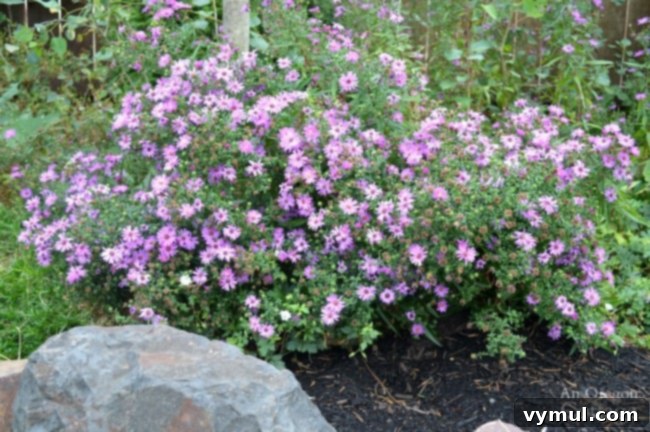
Beyond the practical tasks, there’s one more essential item to add to your seasonal checklist:
Embrace and Enjoy the Beauty of Fall!
Winter will descend sooner than you think, so take every opportunity to pause and savor the unique charm of autumn. Revel in the spectacular show of changing leaves, admire the late-season blooms, and appreciate the cooler, crisp air. Whether it means wrapping yourself in a warm blanket with a hot cup of tea while observing your garden or simply taking a leisurely stroll, finding moments to connect with your outdoor spaces in this beautiful season is just as important as the chores themselves. These moments of appreciation rejuvenate the spirit and remind us why we invest so much care in our gardens.
Don’t Forget Your Personalized Garden Prep Checklist!
Keep yourself organized and on track by downloading your free printable checklist today. Highlight the tasks that matter most to your garden and get ready for a winter of rest and a spring of stunning growth!