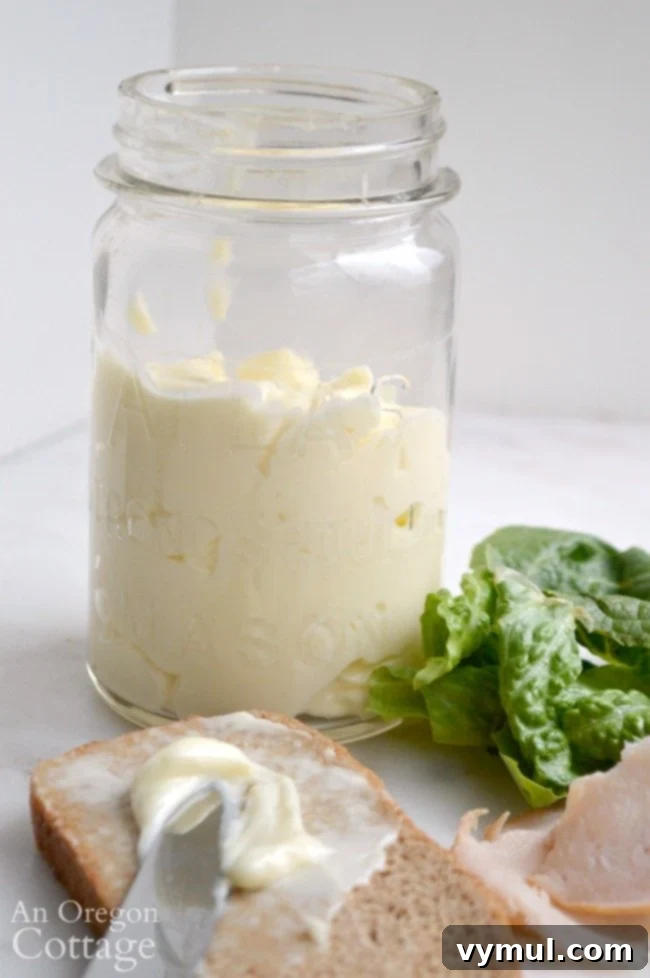
Effortless Homemade Mayonnaise: Two Easy Methods for Creamy Perfection (Food Processor & Immersion Blender)
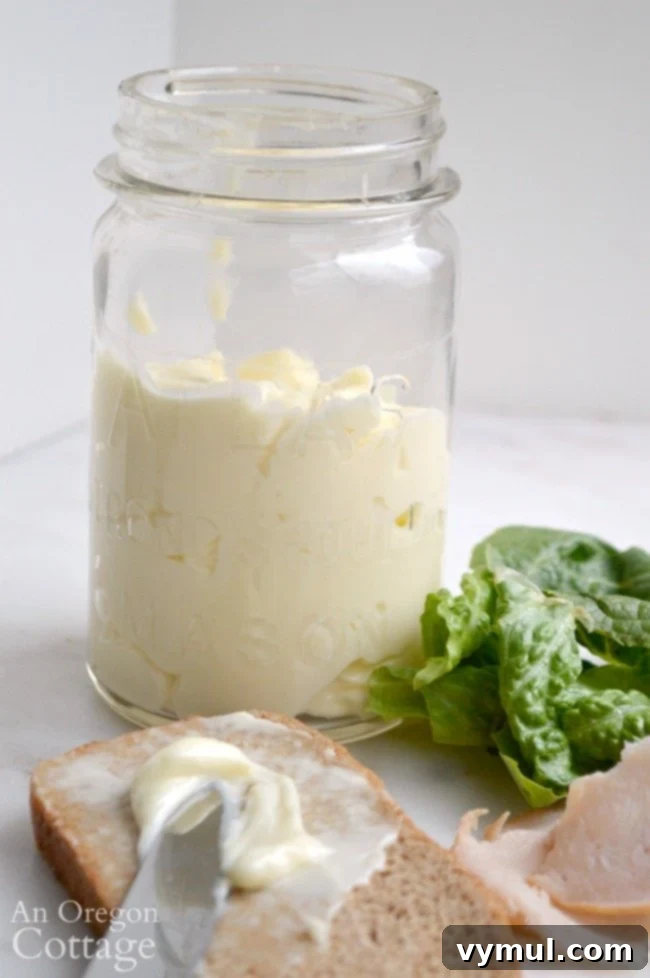
Discover the simple secret to crafting your own luscious, homemade mayonnaise in mere minutes! Whether you prefer the classic efficiency of a food processor or the lightning-fast convenience of an immersion blender, this recipe will transform your kitchen experience. Say goodbye to generic, store-bought jars and hello to fresh, customizable mayonnaise whenever you desire, using just a handful of everyday pantry and fridge ingredients – including your preferred choice of oil.
Some links in this article are affiliate links, and if you click on them and make a purchase, I will receive a small commission at no extra cost to you.
This journey into homemade mayonnaise began years ago, as one of the very first recipes shared when An Oregon Cottage was founded. It felt (and still feels) like pure kitchen magic – a revelation I wished I’d known sooner. The sheer simplicity of making mayonnaise at home compelled me to share this incredibly easy method with everyone. It’s a foundational “pantry basic” recipe, standing proudly alongside other homemade essentials like ketchup, chocolate syrup, and bread crumbs, which truly elevate your everyday cooking.
After all these years, this recipe deserved a fresh update, not just with new photos but with an even *easier* method – yes, it’s possible! I genuinely urge you to try this. After experiencing the satisfaction of making your own, you’ll likely wonder why you ever bought it from the store. You gain complete control over the type of oil and flavorings, allowing you to create a mayonnaise tailored precisely to your taste and dietary needs, far superior to even “specialty” store-bought versions. (Though, I confess, I sometimes still fall for a jar labeled “Harissa Mayo” – old habits, you know!)
Why Homemade Mayonnaise is a Game-Changer
For too long, I, like many, relied solely on store-bought mayonnaise. The thought of making it from scratch seemed daunting, perhaps even unnecessary. Yet, this simple condiment, dating back to the 18th century, was always homemade. We’ve become accustomed to purchasing so many kitchen staples, we often forget the joy and benefit of creating them ourselves. Making homemade mayonnaise takes less than 10 minutes, including cleanup, and costs mere pennies compared to premium store brands. The primary ingredients – eggs and oil – are almost always on hand, making a quick batch a genuine convenience.
The beauty of homemade mayonnaise lies in its fresh taste and the ability to choose your ingredients. You can avoid industrial seed oils, unnecessary sugars, and artificial preservatives often found in commercial products. This makes it an ideal choice for those following specific diets like keto, paleo, or Whole30, as well as anyone simply seeking healthier, more natural options for their family.
Mastering the Emulsion: Foolproof Tips for Success
The key to a perfect, creamy homemade mayonnaise lies in a successful emulsion – the magical process where oil and egg combine into a stable, thick sauce. While it may seem intimidating, following a few simple guidelines will ensure a foolproof result every time:
- Room Temperature Ingredients are Crucial: This is arguably the most vital step. Eggs and oil at room temperature emulsify far more easily and reliably than cold ingredients. If your egg is straight from the fridge, simply immerse it in a bowl of hot tap water for 5 minutes. This quick trick brings it to the ideal temperature, significantly reducing the risk of your mayonnaise breaking.
- Choose the Right Tool: Both a food processor and an immersion blender (also known as a hand blender or stick blender) work wonderfully. A regular blender can also be used, following the food processor steps, though you might need to scrape down the sides more frequently to ensure everything is incorporated. The key is consistent, controlled blending.
- Slow and Steady Oil Addition (for Food Processor/Regular Blender): When using these tools, adding the oil in a slow, steady stream is non-negotiable. This allows the oil to gradually combine with the egg, creating a stable emulsion. Pouring too quickly will likely result in a separated, oily mess.
- Patience and Observation: While quick, watch your mayonnaise transform. The moment it thickens dramatically, you’re done! Over-blending isn’t usually an issue for emulsion but can sometimes affect texture if prolonged excessively.

With these simple tools and ingredients typically found in your kitchen, making homemade mayonnaise becomes not just easy, but often quicker than a trip to the grocery store!
Recommended Kitchen Tools for Perfect Mayonnaise
- Cuisinart Smart Stick Immersion Blender: An indispensable tool for quick, one-jar mayo.
- Cuisinart Pro Classic Food Processor: Excellent for a larger batch and classic method.
- 1 Cup Glass Measure: For accurate oil measurement.
- Wide Mouth Mason Jars: Ideal for immersion blender method and storage.
- Flat Nylon Scraper Spatula: Helpful for scraping down bowls and jars.
Homemade Mayonnaise: Understanding the Ingredients
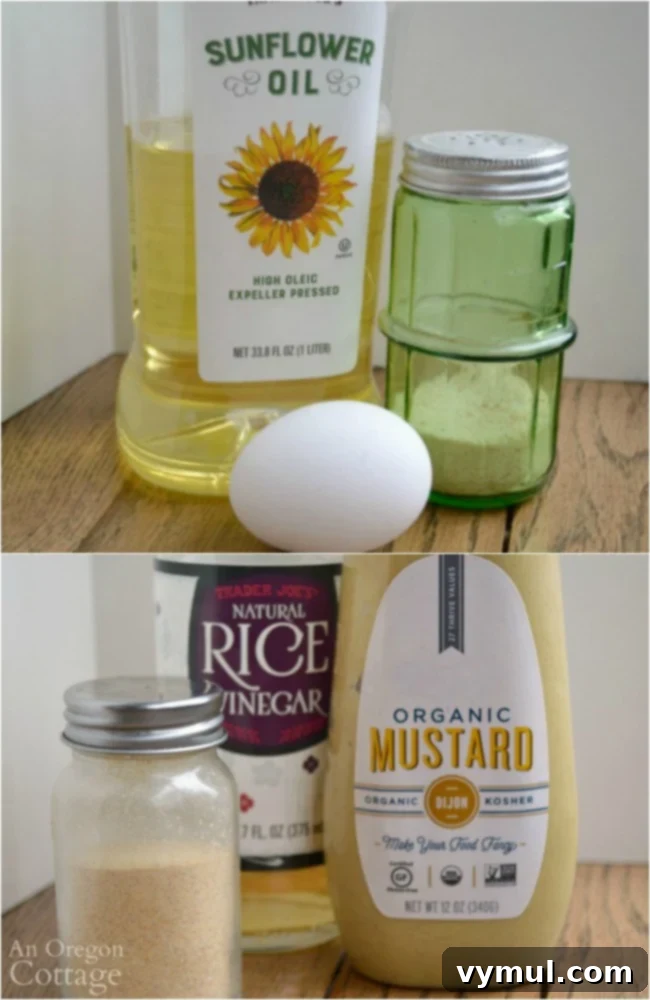
At its core, mayonnaise is a remarkably simple emulsion, primarily consisting of:
- Oil: The base of the mayonnaise, providing its rich texture.
- Egg: The emulsifier, binding the oil and water-based ingredients together.
- A little Salt: For seasoning and flavor balance.
When these core ingredients are properly combined, they are transformed into a thick, creamy condiment. Take a moment to consider this simplicity the next time you glance at a store-bought mayonnaise label – you might be surprised by the number of extra components!
While you *could* make a very basic mayonnaise with just these three, adding a touch of water or lemon/vinegar helps in binding and prevents separation. However, to achieve that familiar, delectable flavor profile we associate with classic mayonnaise, a few additional ingredients are typically included. Reading the labels of commercial mayos reveals that most contain more than just oil and egg, often incorporating acids and spices. I once believed only “salad dressings” like Miracle Whip contained these additions, but traditional mayonnaise often does too – though, crucially, without the added sugar!
Therefore, to our core ingredients, we’ll add:
- A little Vinegar (or Lemon Juice): Adds essential tang and helps stabilize the emulsion.
- Garlic Powder: Provides a subtle savory depth (optional, but recommended).
- Dijon Mustard: Not just for flavor, Dijon acts as a secondary emulsifier due to compounds found in mustard seeds, further aiding in a stable, creamy mayonnaise (also optional, but highly beneficial).
These last two are completely optional and can be adjusted to your personal taste. Feel free to experiment! For instance, incorporate lots of fresh minced garlic for a vibrant aioli, or stir in a tablespoon of Sriracha for a spicy kick. The possibilities for customization are endless once you master the basic technique.
Choosing the Best Oil for Your Homemade Mayonnaise
The type of oil you choose significantly impacts the flavor, texture, and health profile of your homemade mayonnaise. Almost any neutral-flavored oil will work, but some considerations are important:
- Avoid Strong Olive Oils: Extra virgin olive oil can sometimes impart a bitter taste to mayonnaise, especially if used in large quantities. If you love olive oil, opt for lighter-flavored varieties or blend it with a more neutral oil. Experimentation is key to finding your preferred balance.
- Neutral, Expeller-Pressed Oils are Ideal: I generally look for non-industrial oils that are expeller-pressed or cold-pressed to ensure better quality and flavor. Here are some excellent choices I’ve used and recommend:
- Expeller-Pressed Safflower Oil: A very neutral option that allows other flavors to shine.
- Avocado Oil: A fantastic healthy choice, though be aware it can give your mayonnaise a slight green tint.
- Sunflower Oil (cold-pressed or expeller-pressed): Widely available and provides a clean, mild flavor.
- Light Olive Oil: While extra virgin can be tricky, a lighter olive oil (like Costco’s Organic, which I find works well) can add a pleasant richness without bitterness. Always test a small batch if you’re unsure.
- Experiment with Blends: Don’t hesitate to combine different oils (e.g., half avocado, half sunflower) to create a unique flavor profile.
Now that you’re equipped with all the knowledge, it’s time to make mayonnaise. Fun fact: reading these instructions will likely take longer than actually making a batch! Below, you’ll find two distinct methods – with a food processor or with a hand-held immersion blender. Read through both and choose the one that best suits your kitchen and preferences!
Homemade Mayonnaise with a Food Processor
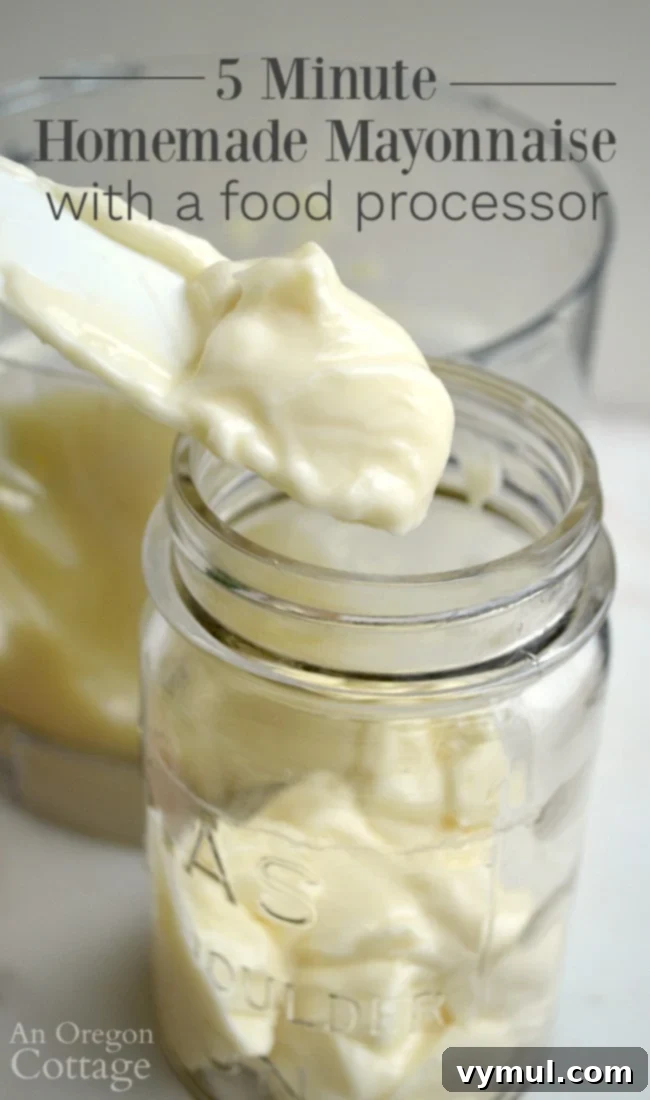
The food processor method is the traditional way to make mayonnaise and was the first technique I learned. It’s incredibly efficient, taking less than five minutes from gathering your few ingredients to achieving a beautifully creamy result. Even factoring in cleanup, you’ll still be done in under 10 minutes.
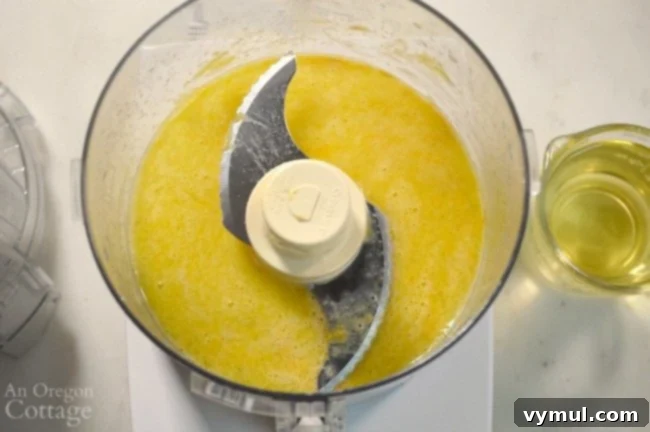
Here’s your step-by-step guide to food processor perfection:
Step 1: Combine Initial Ingredients. Add your room temperature egg, vinegar (or lemon juice), salt, and any desired optional flavorings like Dijon mustard and garlic powder to the bowl of your food processor. *Crucially, do NOT add the oil yet.*
A Quick Note on Raw Eggs: It’s important to acknowledge that this recipe uses a raw egg. If you have concerns about consuming raw eggs (typically recommended for young children, the elderly, pregnant women, or those with compromised immune systems), you may wish to consider a pasteurized egg product or avoid this recipe. In my personal experience, and that of many others, consuming fresh, high-quality raw eggs has not posed a problem, though I am aware of the warnings. Please make a choice that aligns with your comfort and health considerations.
Step 2: Blend Initial Ingredients. Process these ingredients together thoroughly for 20-30 seconds. This ensures everything is well combined and ready for the oil.
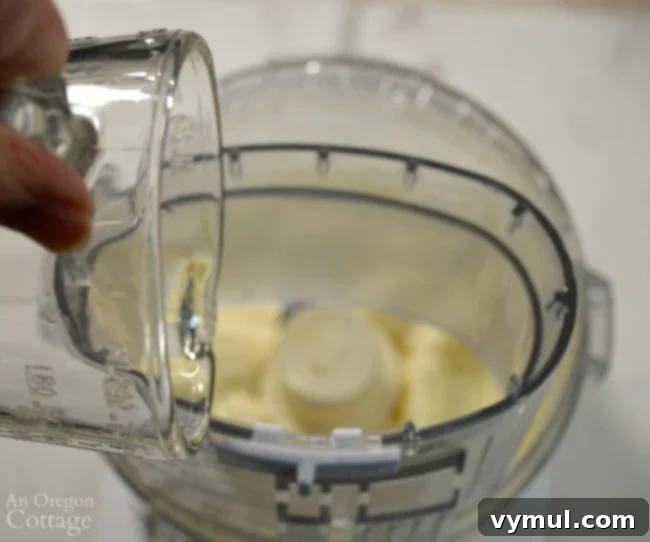
Step 3: Gradually Add Oil. With the food processor motor *running continuously*, begin to add your chosen oil in a very slow, steady stream through the feed tube. This gradual addition is essential for the emulsion to form properly. You will witness the magical transformation as the thin liquid thickens into creamy mayonnaise before your eyes.
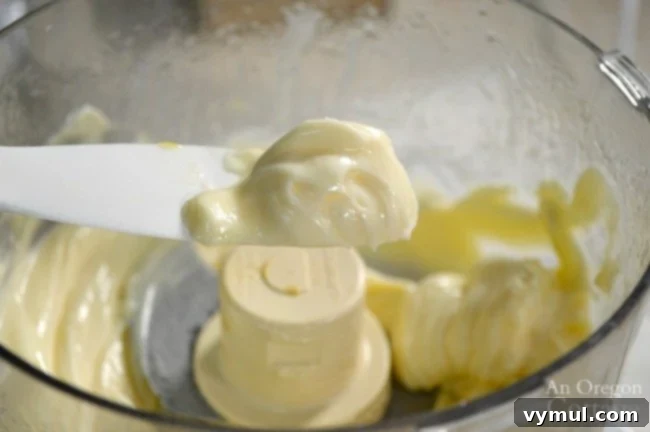
Step 4: Final Blend and Witness the Magic. Once all the oil has been incorporated, continue to process for another 10-20 seconds to ensure maximum thickness and smoothness. Remove the cover and prepare to be genuinely amazed – you’ll find perfectly formed, real mayonnaise! Even after countless batches, this transformation still feels like a little bit of magic.
Step 5: Adjust Seasonings to Taste. This is your moment to personalize. Taste your freshly made mayonnaise and adjust the salt, vinegar, or other seasonings as needed. The first few times I made it, I used a lettuce leaf to sample and meticulously noted my preferred adjustments for consistency in future batches.
Homemade Mayonnaise with an Immersion Blender
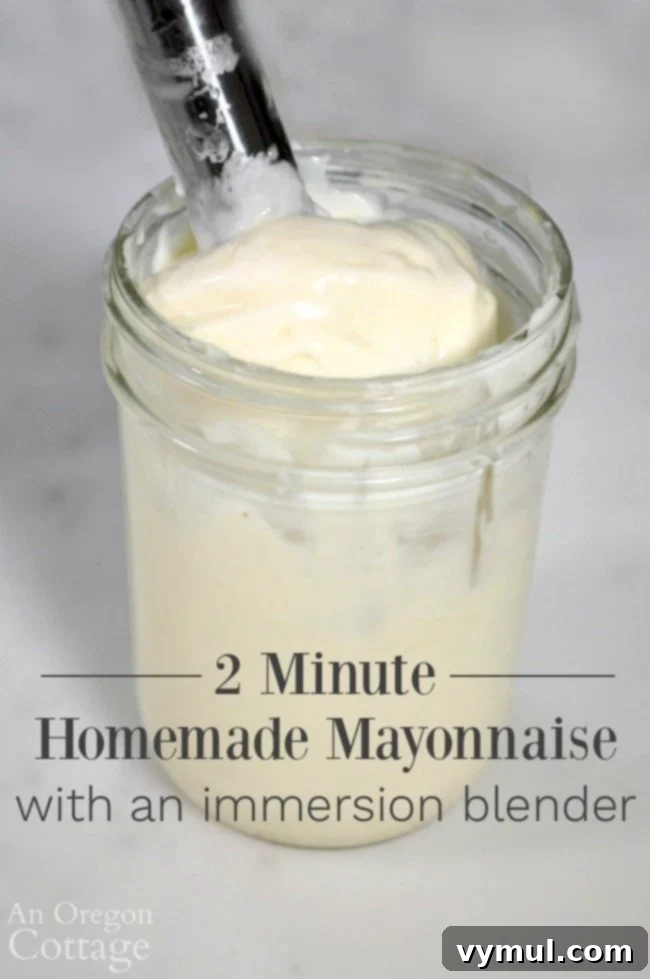
While the food processor method is undeniably fast and straightforward, using an immersion blender takes convenience to an entirely new level – it’s even faster! This technique allows you to make mayonnaise directly in a wide-mouth mason jar, minimizing cleanup and making it my go-to method for everyday batches, unless I need a significantly larger quantity.
It’s just one more reason to adore my immersion blender, which also shines in recipes like my Addictive Tomato Chutney, our beloved Homemade Tomato Soup, and this comforting Cauliflower Cheese Soup.
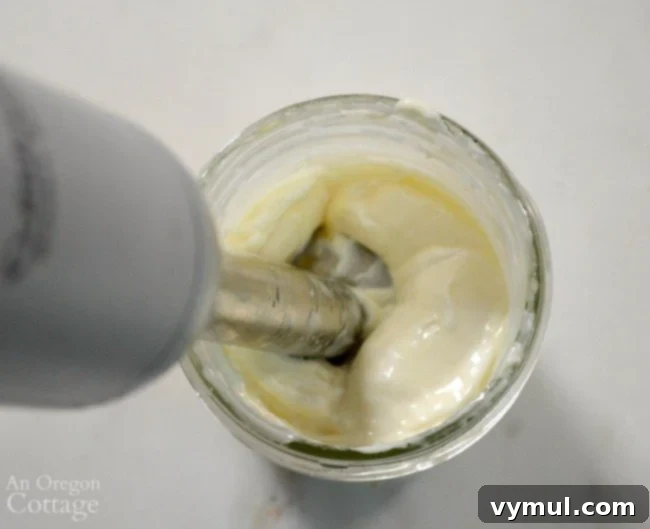
Here’s how to create perfect mayonnaise with an immersion blender:
Step 1: All-in-One Assembly. This is where the immersion blender method differs significantly from the food processor. Add ALL of your ingredients – including the oil, egg (at room temperature), vinegar (or lemon juice), salt, Dijon mustard, and garlic powder – directly into a pint-sized wide-mouth mason jar. Ensure the egg settles at the bottom.
Step 2: Blend from the Bottom Up. Insert the head of your immersion blender fully into the bottom of the jar, completely covering the egg. Hold down the blender button and begin mixing. Keep the blender stationary at the bottom for the first 15-20 seconds as the emulsion starts to form. You’ll visibly see the mayonnaise forming from the bottom up. Once a thick white mayo layer appears, slowly and steadily move the blender up and down a few times to fully incorporate any remaining oil and ensure all the egg is blended in.
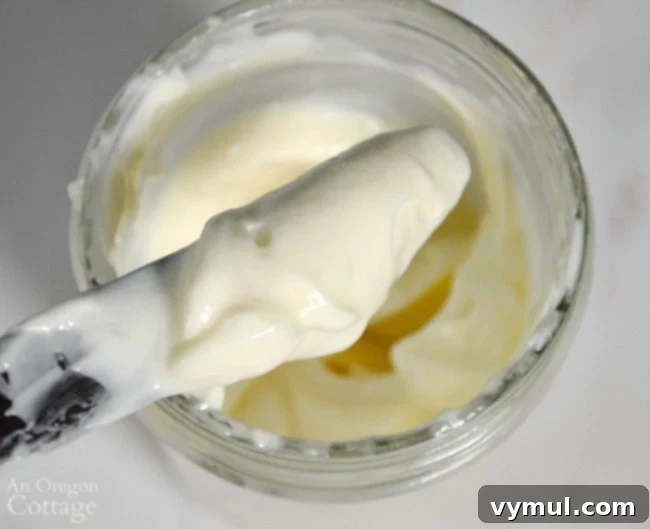
Ta-da! In just a couple of minutes, you have perfect, creamy mayonnaise, ready to be stored directly in the jar you made it in. If that’s not kitchen magic, I don’t know what is!
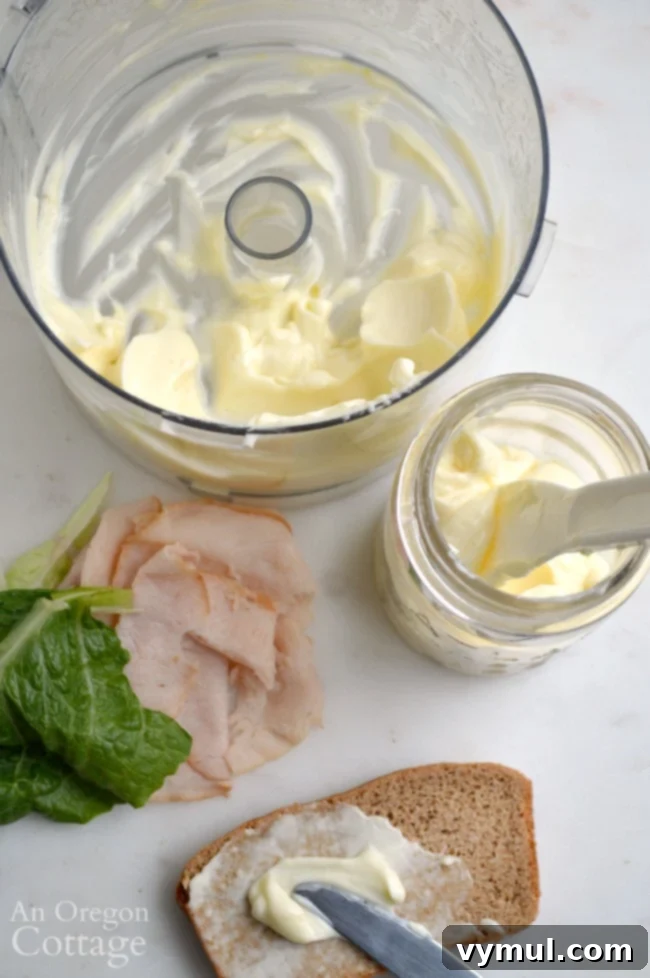
Not bad for 2-5 minutes of your time, especially considering you’re in complete control of every single ingredient. This empowers you to create a healthier, more flavorful condiment for your family.
Storage and Shelf Life of Homemade Mayonnaise
Once your homemade mayonnaise is complete, regardless of the method you used, transfer it to a clean, airtight glass jar and store it in the refrigerator. With proper storage, your fresh mayonnaise should last for a good month, sometimes even longer. In our household, it typically begins to show signs of aging (the edges might start to look a bit “clear” or separate slightly) only after about six weeks. But honestly, it’s usually devoured long before then!
The beauty of this recipe is that you’ll always know how to whip up a fresh batch. If you ever run out, or if a batch doesn’t last as long as expected, you’re only an egg and some oil away from delicious, fresh mayonnaise once more. It’s a truly empowering skill for any home cook.

Print Recipe
Pin Recipe
SaveSaved!
Easy Homemade Mayonnaise – Two Methods
Ingredients
- 1 egg at room temperature*
- 1 ½ tablespoons vinegar or lemon juice
- 1/2 teaspoon salt**
- 1 teaspoon Dijon mustard optional
- 1/8 teaspoon garlic powder optional
- 1 cup oil*** expeller-pressed sunflower oil, avocado oil, light olive oil, etc.
Instructions
Food Processor Method:
-
Add the egg to the bowl of a food processor. Add the vinegar (or lemon juice) and salt. Add any of the remaining ingredients you desire except the oil.
-
Process the ingredients a couple seconds, then with the motor running, add the oil in a slow stream.
-
Process another 10-20 seconds. Taste to adjust seasonings.
Hand-Held Immersion Blender Method:
-
Add ALL ingredients (including oil) to a pint-sized wide mouth mason jar.
-
Put the blender all the way into the jar and start blending, moving the stick up and down slightly as you see it become mayonnaise to make sure all the egg is blended in.
-
Store directly in the jar!
-
For both methods: store, covered, in the refrigerator for about a month.
Notes
**Taste and add up to 1/4 teaspoon more if you’d like.
***You can also use 1/2 cup of two different kinds of oil if you’d like to experiment with flavors.
Nutrition
Explore More Homemade Pantry Staples!
Once you discover the ease and benefits of making your own mayonnaise, you’ll be eager to explore other kitchen staples you can create at home. This simple skill is just the beginning of a fulfilling journey into a more self-sufficient and flavorful kitchen!
Click the link below for a wealth of other basic pantry items you can make from scratch, transforming your cooking and reducing your reliance on processed foods:
Pantry Basics at An Oregon Cottage
This collection includes beloved recipes like:
- Homemade Bone Broth 4 Ways (+Bone Broth 101) – A foundational ingredient for so many dishes.
- Chewy Granola Bars Recipe – Perfect for healthy snacks on the go.
- Easy ‘Refried’ Beans – Healthier and more flavorful than canned versions.
- Perfectly Salted Roasted Almonds – A simple, satisfying snack.
- The 20-minute Granola I have almost every day – Quick, delicious, and customizable breakfast.
- …and many more inspiring recipes to stock your pantry with homemade goodness!
This recipe for homemade mayonnaise has been thoroughly updated, building on its original publication from April 2009, to bring you the best and easiest methods.
Disclosure: Affiliate links in this article will earn commission based on sales, but it doesn’t change your price. Click here to read my full disclaimer and advertising disclosure.