Welcome to April in the northern hemisphere, a month bustling with gardening activity! As the days lengthen and the earth awakens, gardeners eagerly anticipate a bountiful season. This comprehensive guide outlines essential April garden chores, covering everything from preparing your vegetable plots and nurturing vibrant flower beds to maintaining a lush lawn and tackling general yard tasks. We’ve also included valuable tips and a downloadable checklist to ensure you stay organized and make the most of this pivotal spring month.

Essential April Garden Chores: Your Complete Guide to Spring Gardening Success in the Northern Hemisphere
April typically ushers in genuine spring weather across much of the northern hemisphere, bringing with it a palpable sense of renewal and growth. While regions like the Pacific Northwest might still experience a rogue hail storm or a few frosty mornings, the predominant mood is one of burgeoning life. Flowers burst into bloom, trees unfurl their fresh green leaves, and the vegetable garden calls out for attention, ready for planting.
For many, late April marks the average last frost date, a critical milestone for gardeners. This timing is perfect for setting out a variety of cool-weather crops, which thrive in the milder temperatures of early spring. However, it’s generally wise to exercise caution with warm-weather plants, as an unexpected late frost can easily damage tender seedlings. Knowing your specific last frost date is paramount for successful planting, preventing disappointment, and maximizing your garden’s potential.
PRO TIP: Accurately determining your local last frost date is fundamental to smart gardening. This date dictates when it’s safe to plant certain crops outdoors, minimizing the risk of cold damage. While online calculators like the Almanac provide a good starting point (and often suggest late April or early May for many areas), it’s highly recommended to cross-reference with other local sources and, crucially, to keep detailed records of your own garden’s microclimate and frost patterns year after year. Personal observation often trumps general estimates.
The period spanning April, May, and June often proves to be the most demanding for gardeners. This is when the battle against weeds is in full swing – tackling them now, before they establish deep roots and go to seed, saves immense effort later in the summer. It’s also prime time for mulching beds, which helps suppress weeds and conserve moisture, and for planting new shrubs, flowers, and edible crops. With so much to do, it’s easy to feel overwhelmed, like a “chicken with its head cut off,” as the saying goes! A strategic approach can help manage this busy season effectively.
To efficiently tackle your April gardening tasks and maintain a sense of calm amidst the spring rush, prioritize your efforts by focusing on high-impact areas first:
- Begin with the garden beds and planters located nearest to your home and those you encounter daily, such as around the front door or along main pathways. These visible areas offer instant gratification once tidied, weeded, planted, and mulched. Starting here provides immediate visual improvement and a psychological boost.
- Once the most prominent areas are pristine, gradually expand your efforts to other beds. Focus on completing one bed at a time rather than spreading your energy too thinly across multiple unfinished projects. This allows for thorough work and a clear sense of progress.
- In the vegetable garden, concentrate your initial efforts on the beds designated for early-season planting. This involves clearing any remaining debris, enriching the soil with organic amendments, planting your cool-weather crops, and applying a layer of mulch. Completing these steps for one bed before moving to the next ensures that newly planted crops have the best possible start.
Are you eager for all my top tips and techniques to make vegetable gardening both simple and easily manageable? (Yes, a thriving, low-stress vegetable garden is absolutely achievable!) Discover proven strategies to streamline your efforts and enjoy a more productive harvest.
Our goal with this detailed yet manageable list is to empower you to approach your April gardening tasks at a comfortable, sustainable pace. Remember, gardening should be a joy, not a race. Focus on what you can accomplish, when you can, and celebrate every small victory in your blossoming outdoor space.
Dreaming of a full year of garden tasks organized into convenient checklists?
Grab your free printable of garden tasks for every month by clicking the form below! These versatile checklists can be mixed, matched, and customized to perfectly suit your unique garden’s needs.
Don’t forget to add these valuable pages to your free Gardening Notebook Journal!
Comprehensive Garden Chores for April
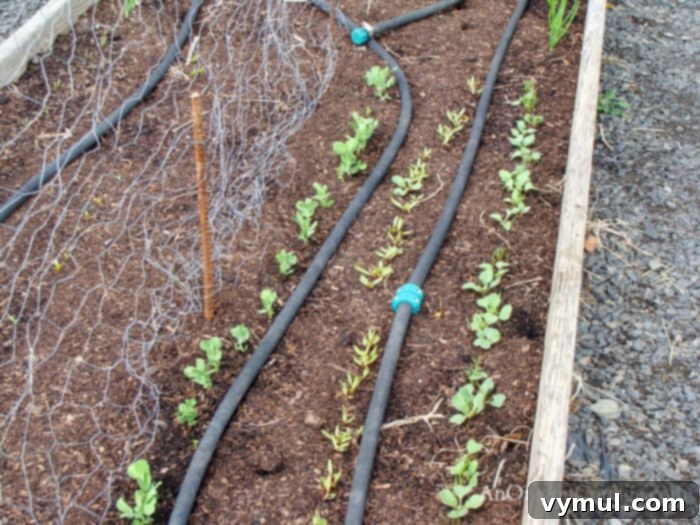
Vegetable & Fruit Garden Tasks:
- Prep Main Garden Beds for Spring & Summer Planting: Begin by thoroughly weeding your garden beds, ensuring no persistent roots remain. Once cleared, enrich the soil by turning in generous amounts of organic material, such as well-rotted compost, aged manure, or finely chopped leaves. This improves soil structure, aeration, drainage, and provides essential nutrients for your upcoming crops. Aim for a soil that is friable and rich, laying a strong foundation for healthy growth.
- Harden Off Cool-Weather Seedlings Started Indoors: For seedlings like cauliflower, broccoli, cabbage, and lettuce that were started indoors, the hardening-off process is crucial. Gradually introduce them to outdoor conditions over 7-14 days. Start with a few hours in a sheltered, shady spot, slowly increasing their exposure to direct sunlight, wind, and cooler temperatures. This acclimation prevents transplant shock and prepares them for the rigors of the outdoor environment.
- Transplant Cool-Weather Seedlings: Once hardened off and your last frost date has passed (or is very near), it’s time to transplant sturdy seedlings of broccoli, Brussels sprouts, cabbage, cauliflower, chard, leeks, and various types of lettuce. Choose an overcast day or transplant in the late afternoon to minimize stress. Water the seedlings thoroughly before and after planting, ensuring the soil around their roots is firm.
- Direct Sow Seeds of Cool-Weather Crops: April is ideal for direct sowing seeds of many delicious cool-weather vegetables directly into your garden beds. Plant carrots, endive, various lettuce varieties, peas, radishes, spinach, turnips, and rutabagas. Follow seed packet instructions for proper planting depth and spacing. Consistent moisture is key for germination, so ensure the soil remains damp but not waterlogged.
- Protect Crops with Floating Row Covers: Guard your emerging cool-weather crops, especially beets, carrots, and members of the cabbage family, from common insect pests like leaf miners and cabbage maggots. Floating row covers act as a physical barrier, preventing pests from reaching your plants.
(PRO TIP: Beyond pest control, row covers also provide a slight increase in warmth, encouraging more robust and rapid growth, which can lead to earlier and larger harvests compared to uncovered plants.) - Apply Organic Fertilizer to Cane, Bush, & Trailing Berries: As new growth begins, provide a boost to your established cane berries (like raspberries and blackberries), bush berries (such as blueberries, currants, and gooseberries), and strawberries. Use a balanced organic fertilizer, rich in nitrogen for leafy growth and phosphorus and potassium for fruit production. Follow product instructions for application rates to avoid over-fertilization.
- Mulch Perennial Vegetables and Fruits: If you didn’t get around to it in March, now is the perfect time to mulch perennial edibles like asparagus, rhubarb, and strawberries. A layer of organic compost or composted manure about 2-4 inches deep will suppress weeds, retain soil moisture, regulate soil temperature, and slowly release nutrients as it breaks down, enriching the soil for the growing season ahead.
- Feed Fruit Trees and Implement Pest Control: Provide a springtime feeding to your fruit trees with an appropriate organic fruit tree fertilizer or a generous layer of compost around the drip line. For controlling common pests like apple maggots, consider organic methods.
(PRO TIP: While chemical sprays are an option, I prefer using specialized traps for pests like apple maggots directly in the trees, which is a targeted and often effective organic approach.)
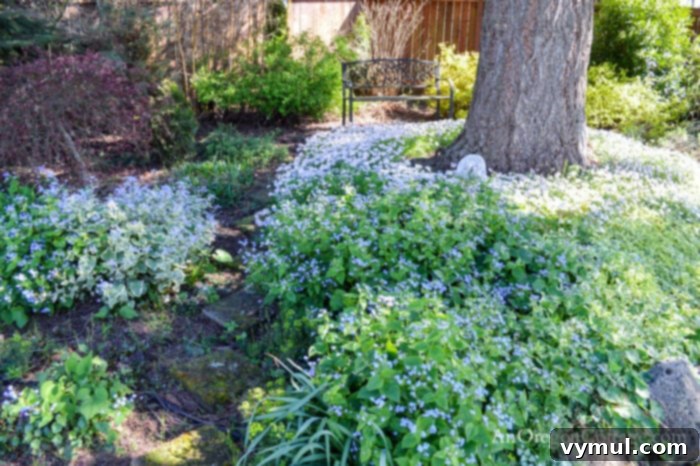
Flower Beds & Ornamental Garden Care:
- Prune & Shape Spring-Blooming Shrubs and Trees: Once your spring-blooming shrubs and trees (like forsythia, lilacs, or early-flowering magnolias) have finished their floral display, it’s the ideal time to prune them. This encourages new growth, maintains desired size and shape, and promotes better flowering for the following year. Remove dead, damaged, or diseased branches, and thin out overcrowded areas to improve air circulation.
- Plant Summer Blooming Tubers: If you missed planting them in March, get your summer-blooming tubers like dahlias, gladiolus, and cannas into the ground in April. Ensure the soil is well-drained and enriched with compost. Follow specific planting instructions for each tuber type, paying attention to planting depth and spacing to achieve a spectacular summer display.
- Deadhead Fading Flowers: Regularly deadhead spent blooms from spring annuals and perennials. This simple task encourages the plant to put its energy into producing more flowers rather than setting seed, thereby extending the blooming season. It also keeps your flower beds looking neat and vibrant.
- Divide Perennials That Need Rejuvenating: April is a fantastic time to divide overcrowded or underperforming perennial plants.
(PRO TIP: If your favorite daylilies, penstemon, phlox, hostas, or other spreading perennials are producing fewer flowers, have a dead center, or simply look less vigorous, they likely need to be divided. Dig up the clump, gently separate it into smaller sections with a sharp spade or knife, and replant the healthier divisions in improved soil. This rejuvenates the parent plant and provides you with new plants for free!) - Continue Laying Newspaper and Mulching Garden Beds: Maintain your proactive weed control by continuing to lay down layers of newspaper (4-6 sheets thick) and covering them with a substantial layer of organic mulch (such as wood chips, shredded bark, or straw) in your garden beds. This method effectively smothers weeds, prevents new ones from sprouting, and conserves moisture. Trust me, dedicating time to this now will save you countless hours of weeding later in the season.
- Apply Organic Fertilizer to Established Shrubs: For shrubs that might benefit from a nutrient boost, apply an organic granular fertilizer as needed.
(PRO TIP: Many established shrubs thrive perfectly well with just a top dressing of rich compost, which slowly releases nutrients into the soil over time. This can often eliminate the need for additional fertilizers, simplifying your gardening routine!) - Plant New Shrubs and Evergreens: As the soil warms and before the summer heat sets in, April is an excellent time to plant new ornamental shrubs and evergreens. Dig a hole twice as wide as the root ball and just as deep. Gently loosen any circling roots, place the plant, backfill with amended soil, and water thoroughly to settle the soil around the roots.
General Yard & Garden Maintenance:
- Fertilize Lawns: Give your lawn a head start for vigorous summer growth by applying a spring fertilizer. Choosing an organic lawn fertilizer helps build healthier soil in the long term. Time your application so that spring rains can naturally water the nutrients deep into the ground, promoting a lush, green turf.
- Mow, Mow, Mow… Sigh: With warmer temperatures and increased rainfall, grass growth accelerates dramatically in April. Be prepared to mow your lawn regularly. Remember to keep your mower blades sharp for a clean cut, and ideally, set your mower to a higher height (around 2.5-3 inches) to encourage deeper root growth and better weed suppression.
- Edge Beds & Paths as Needed: Achieve crisp, professional-looking garden beds and pathways by regularly edging them. This not only enhances the aesthetic appeal of your garden but also helps prevent grass and weeds from encroaching into your cultivated areas. A clean edge creates a defined separation between different garden zones.
- Refresh Paths as Needed: Inspect your garden paths and walkways. If they’re looking a bit tired or sparse, refresh them with new materials like bark chips, gravel, or stepping stones. This improves functionality and visual appeal. For gravel paths, rake and replenish areas where material has settled or washed away.
- Bait for Slugs: For many gardeners, particularly in moist climates like the Pacific Northwest, slugs can be a major problem. April is when they emerge and begin their destructive feasting. Apply organic slug bait (iron phosphate-based is pet and wildlife safe) according to package directions. Consider other organic methods like beer traps, copper barriers, or diligent hand-picking in the evenings.
- Continue Caring for Warm Weather Seedlings Indoors: Your warm-weather seedlings (tomatoes, peppers, basil, etc.) are still growing strong indoors. Continue to provide them with optimal care:
- Feed: Offer a half-strength solution of organic liquid fertilizer or fish emulsion every week or two.
- Water: Keep the soil consistently moist but never soggy.
- Light: As they grow taller, raise your grow lights to maintain the ideal distance (usually a few inches) above the plant tops to prevent legginess.
- Repot: If plants become root-bound or too large for their current containers, carefully repot them into slightly larger pots to allow for continued growth before they are ready for transplanting outdoors.
- Air Circulation: Ensure good air circulation using a small fan to help strengthen stems and prevent damping-off disease.
You can find all my comprehensive seed-starting tips and tricks in this detailed guide.
Explore all our month-by-month garden chores lists here to stay on top of your gardening tasks throughout the year!
Seeking More Effortless Gardening Wisdom?
- Organic Vegetable Gardening 101: A Beginner’s Guide to Growing Healthy Food
- How to Plant a Garden the Easy Care Way: Simple Steps for Low-Maintenance Beauty
- 5 Essential Steps to Take Now For Your Best Garden Ever (Includes Free Printables!)
